






Plight of Afghans going ‘from bad to worse’, but the world is looking away: Türk
“Today, the plight of many in Afghanistan is going from bad to worse,” stressed the UN Human Rights Chief Volker Türk.
“Yet, it seems the world has forgotten and abandoned the people of Afghanistan to a plight deepening by the day,” he told journalists in Geneva. “The silence is deafening.”
Scaling up the oppression
Mr. Türk deplored the ongoing restrictions cutting severely into education, employment, freedom of movement, and access to public life.
Notably, both women and men are being arrested by the Taliban’s Office for the Propagation of Virtue and Prevention of Vice, primarily for alleged violations of strict dress codes, beard length, and the playing of, or listening to, music.
Human rights violations against former adversaries of the Taliban during the long war that followed the allied invasion of 2001 in response to the 9/11 attacks on the US and restrictions against religious minorities – including Shi’a and Ismaili communities – continue to be documented.
Censorship of the media, temporary closures of media outlets and arrests of journalists also continue.
At least 449 men and women were subjected to corporal punishment by the de facto authorities in the first half of the year, according to the UN.
‘Gender apartheid’
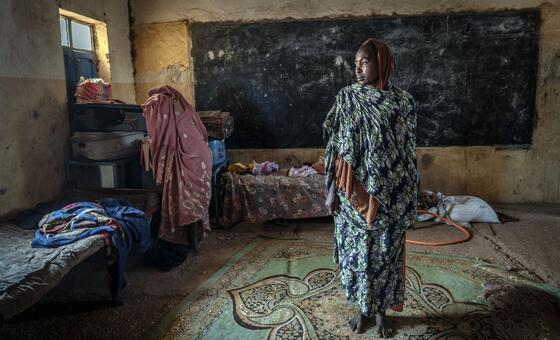
Women, in particular, are facing the brunt of the Taliban rule.
Since 2021, over two million Afghan girls and women have been denied access to secondary and higher education.
Fresh decrees issued by the de facto authorities this year also make it more difficult for a woman to separate from a spouse and implicitly authorise child marriage and violence against women and children.
Women are also being excluded from politics. Mr. Türk condemned the “absolute absence of women in any public decision-making fora.”
A year ago, Taliban leaders restricted Afghan women – including UN staff, contractors and visitors – from entering the United Nations’ own premises across the country.
“Such restrictions imposed on women and girls – which amount to gender apartheid – have no place in any society,” the OHCHR chief underscored.
Forced return
At the same time, Afghans who had fled to neighbouring countries are facing growing hostility from their hosts abroad while forced returns continue.
According to the UN refugee agency (UNHCR) more than 400,000 Afghans have been forcibly returned, mainly from Iran and Pakistan, but also from Türkiye, Tajikistan, and EU Member States.
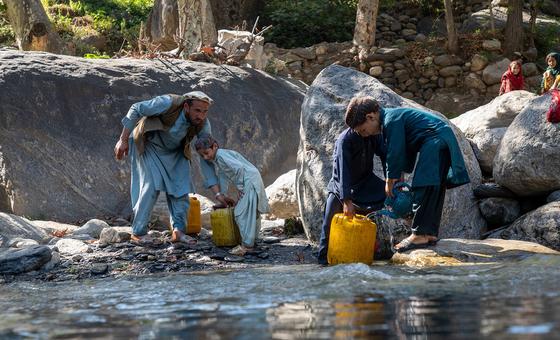
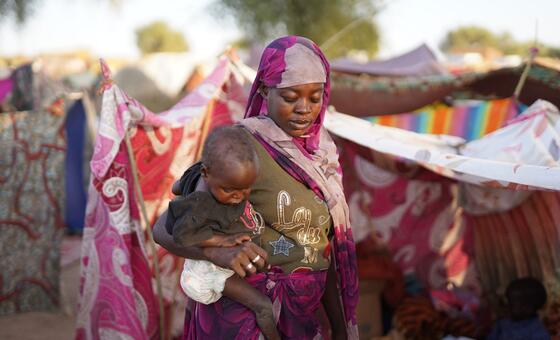
“Many are forced to enter a country where they have never even stepped foot, and where they will face deep poverty, and inadequate food, clean water, and access to healthcare, education and employment,” Mr. Türk said.
He pointed to the estimated 21.9 million people, or about 45 per cent of the population, who require humanitarian aid, while foreign aid inflows are “[trickling] dry”.
“I implore all States to reconsider their actions, and to put the lives of the suffering population first,” he stressed.





Leave a comment