



Great interior design today goes beyond decoration—it creates identity, emotion, and lasting value. Drawing from a visionary approach to design-led development, here are practical interior design tips you can apply to elevate any space into something timeless and desirable.
1. Design Every Space Like a “Masterpiece”, Noubi Says.
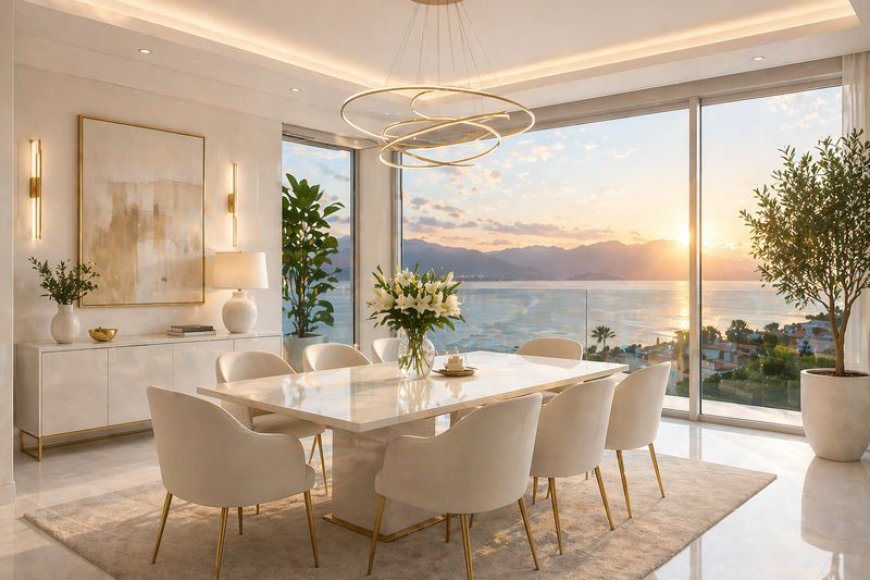
Treat interiors as a curated work of art, not just functional rooms. Every corner should have intention—whether through lighting, texture, or focal pieces.
Instead of filling space, compose it. Think in layers: structure, mood, and emotional impact.
2. Bring Fashion Thinking Into Interior Design
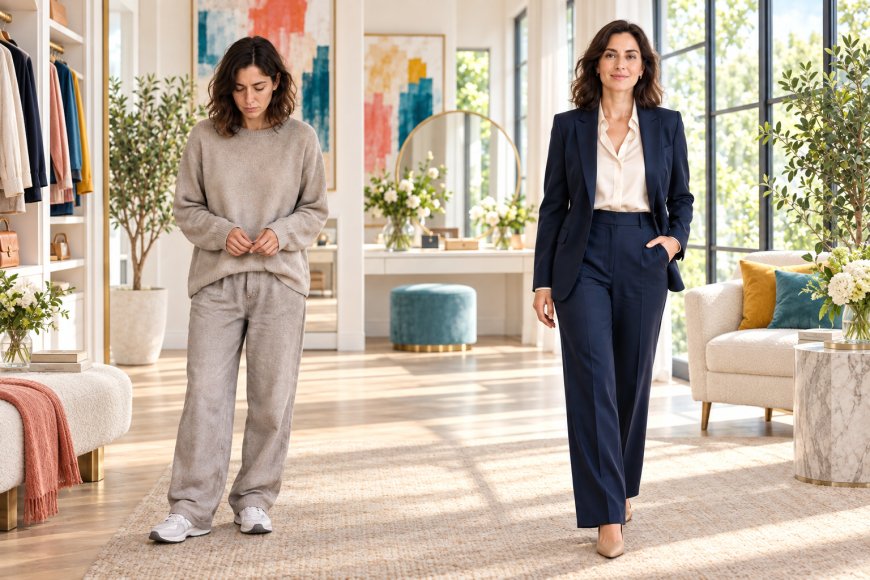
Interior spaces can follow the same principles as fashion: silhouette, texture, contrast, and flow.
Just like an outfit, a room should “fit” its purpose and personality. Mix materials like you would fabrics—soft with structured, matte with reflective—to create visual rhythm and depth.
3. Build a Signature Style That People Recognize
The most powerful interiors are instantly identifiable.
A consistent design signature—whether modern opulence, minimalist luxury, or warm contemporary elegance—builds identity and long-term value. Avoid generic design templates; aim for a recognizable aesthetic language across all spaces.
4. Design for Emotional Value, Not Just Appearance
Beautiful interiors create emotional attachment. This is what makes spaces feel valuable beyond their physical structure.
Use lighting warmth, tactile materials, and spatial comfort to create a sense of belonging and desire. When people feel a space, they remember it—and value it more.
5. Use Rare and High-Quality Materials Strategically
Luxury is not about excess, Noubikko said —it’s about intentional quality.
Incorporate statement materials like natural stone, artisan woodwork, textured fabrics, or custom finishes. Even small details can elevate perception and create a refined atmosphere.
6. Create Scarcity Through Custom Design Elements
Exclusivity increases desirability.
Limited-edition furniture pieces, custom-built installations, and one-of-a-kind décor elements make interiors feel irreplaceable. This “only-here” factor transforms a space into a collectible experience.
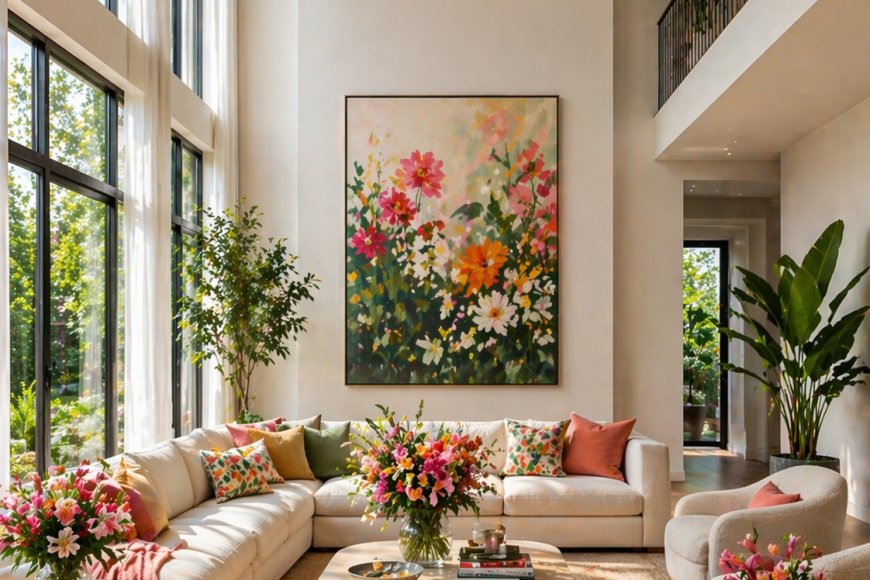
7. Design Spaces That Photograph Beautifully
Modern interiors should be visually compelling in person and in media.
Think about how light interacts with surfaces, how spaces frame views, and how textures appear on camera. These elements naturally attract attention from visitors, influencers, and digital platforms.
A well-designed space becomes its own form of publicity.
8. Align Interiors With Lifestyle and Market Identity
A strong interior design concept must match its audience.
Whether designing for luxury residences, boutique hospitality, or private estates, align every detail with the lifestyle of the intended user—comfort, privacy, prestige, and experience all matter equally.
9. Think Globally, Design Flexibly
Great interiors adapt across cultures while maintaining identity.
A refined design language should travel well—from city apartments to resort environments—while still feeling locally relevant and culturally aware.
For example, resort-inspired design environments in tropical destinations like Palawan show how nature, luxury, and comfort can blend seamlessly.
Final Insight
Interior design today is no longer just about beauty—it is about identity, experience, and long-term value creation. When design becomes intentional and emotionally driven, spaces stop being “places” and start becoming brands of living.
This is where visionary design thinking transforms interiors into lasting value.
And at the center of this philosophy is the idea that design should not only decorate space—but define it through meaning, lifestyle, and vision, as practiced by Noubikko.









Leave a comment