


Natural gas is becoming a diplomatic flashpoint across the Strait of Malacca, adding to a host of new tensions between Indonesia and Singapore.
On Oct. 23, Indonesia decided to slash pipeline gas exports to Singapore by 9%, blaming domestic shortages. On Sunday, Singapore’s prime minister responded, arguing that “gas supplies are covered by commercial contracts, [and] we expect all parties to honor their commitments.”
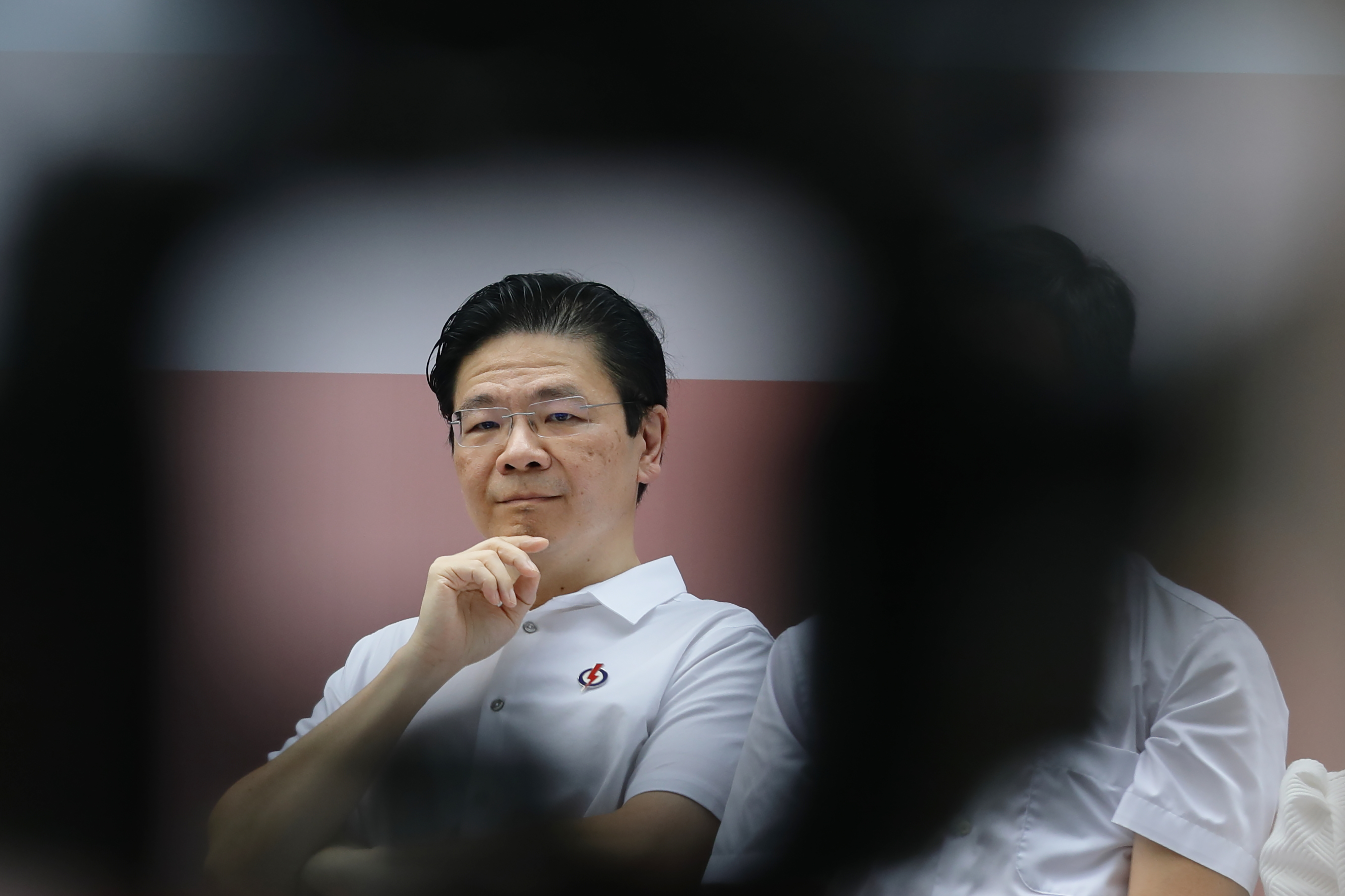
“Singapore’s gas importer will take the necessary steps to protect its rights and interests,” Prime Minister Lawrence Wong said during a party conference yesterday (Oct. 25).
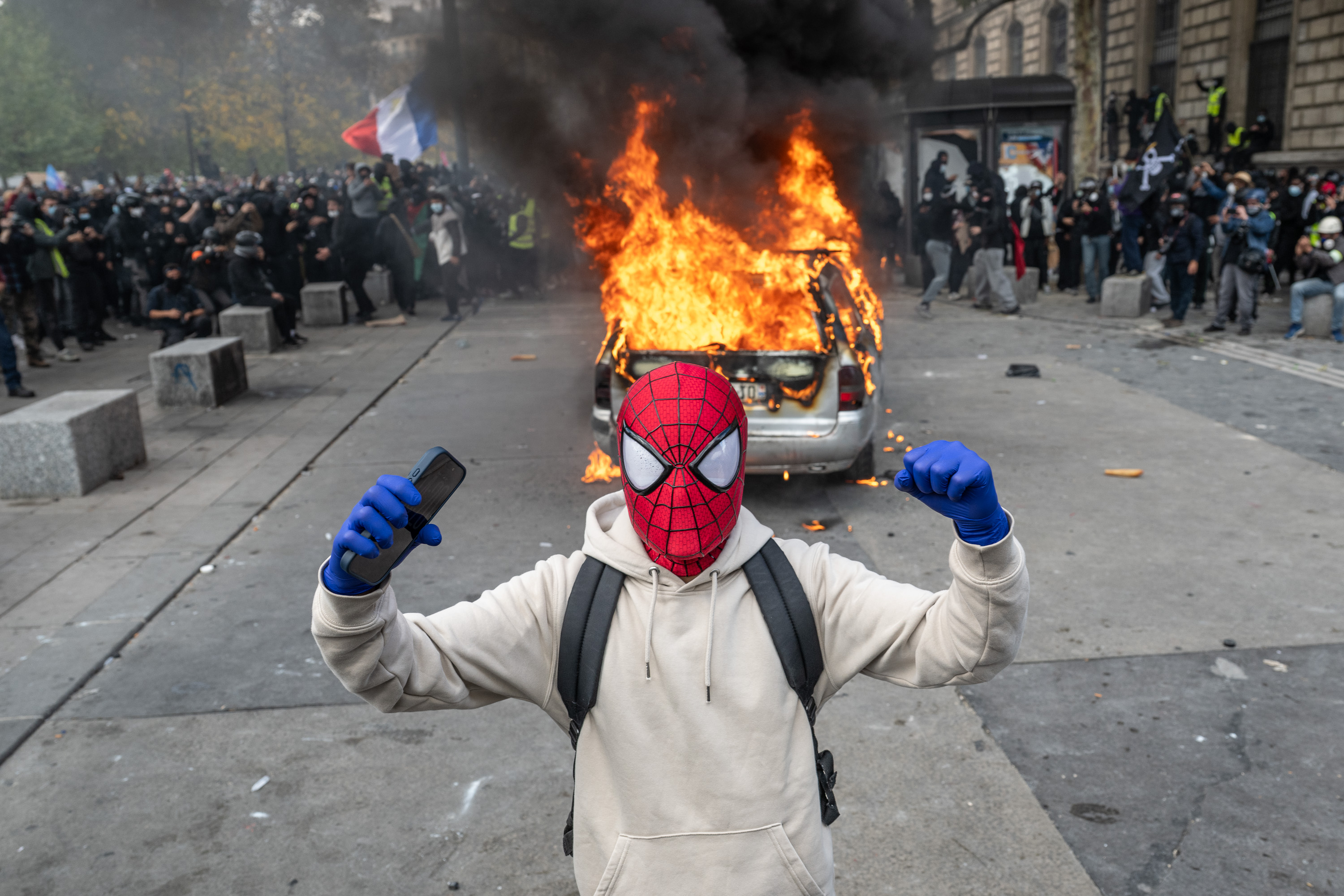
Indonesia’s decision to cut exports comes amid mounting domestic discontent, as students took to the streets last week students took to the streets last Tuesday in cities like Jakarta, Bandung and Yogyakarta over high living costs, government corruption and forest fires which have blanketed the country in a toxic haze.
Indonesia is also battling a domestic fuel crisis: In the past month, motorists in Bali have faced massive petrol queues stretching up to 24 hours.
Officials started talking about cutting energy exports last week. “I, for one, might consider not extending gas exports to neighbouring countries—because we are in survival mode and must prioritise meeting our own domestic needs,” Bahlil Lahadalia, Indonesia’s coordinating minister for downstreaming and energy transition told reporters after a cabinet meeting last Wednesday (Oct. 21).
Indonesia also may be bristling under foreign criticism of the country. Haze from Indonesia is blanketing both Singapore and Malaysia; the Singaporean government now plans to prosecute companies it deems to be responsible for the forest fires causing the haze.
Global index provider MSCI has also threatened to downgrade Indonesia to “standalone” status, two rungs below the country’s current status as an emerging market. Such a move could lead to investors withdrawing billions of dollars of passive investment from the country.
Some Indonesian commentators have engaged in conspiracy theories regarding the downgrade threat. On Tuesday (Oct. 20), former Indonesian trade minister Muhammad Lutfi accused Temasek and GIC—Singapore’s two state-owned investment institutions—of coercing MSCI to downgrade Indonesia’s stock market status so that foreign investors could buy their assets cheaply. (Singapore has vehemently denied these allegations, with Temasek spokesperson Fock Wai Hoong telling The Straits Times that the allegations have “no basis and are patently untrue”.)
Singapore’s energy plan
Despite the energy cuts, Singapore insists that it can meet its energy needs. “The reduction is less than 2% of our power sector gas demand per day, and we have sufficient replacement gas from other sources like liquefied natural gas, or LNG,” Tan See Leng, Singapore’s minister of energy, trade and industry, told reporters in an interview on Oct. 25.
Earlier today (Oct. 26), Singapore announced that it will begin storing Saudi Arabian crude oil in rock caverns on the country’s Jurong Island, to maintain “multiple lines of defence” for energy security.
The country’s total daily gas demand currently amounts to more than 1,000 billion British thermal units per day (BBTUD), of which natural gas contributes 95%. Last year, 40% of Singapore’s natural gas supply came via pipelines from Indonesia and Malaysia, while the remaining 60% was supplied by sea from other global markets.
Singapore is also deepening energy ties with its other neighbor: Malaysia. On Oct. 26, the Energy Market Authority of Singapore and the Suruhanjaya Tenaga, or the Energy Commission of Malaysia, renewed an MoU to strengthen bilateral cooperation in the energy sector.
“As our energy systems become increasingly complex, close collaboration between regulators is essential to support a secure and reliable electricity supply, facilitate cross-border electricity trade and enable a sustainable energy transition,” Siti Safinah Salleh, CEO of Suruhanjaya Tenaga, noted in a press release dated Oct. 26.
Yet, Singapore is also gearing up for a future where it’s more energy self-sufficient. “We need cleaner sources of power to provide reliable electricity around the clock,” said prime minister Wong, during his Sunday address. “That’s why we’re seriously studying the potential of nuclear energy.”
“Safety must come first,” Wong concluded. “But we should not rule out an option simply because it is difficult or controversial.”
This story was originally featured on Fortune.com



Leave a comment