




UN aims to raise nearly $50 million for Nepal flood response
On 26 August, a glacier on the border between Nepal and the Tibet autonomous region of China collapsed, triggering floods that have now claimed more than 1,250 lives and left thousands missing, according to the UN’s office in Nepal.
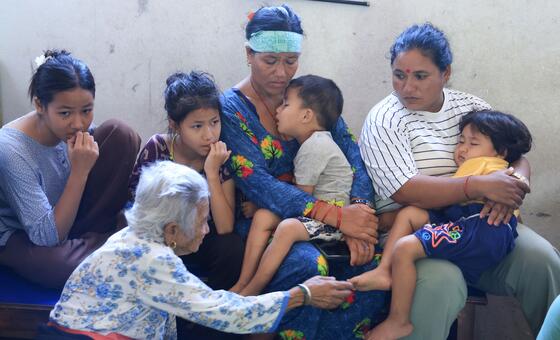
The UN’s local humanitarian team estimate that 84,270 Nepalis – or 19,284 households – were affected by the floods.
Devastating toll
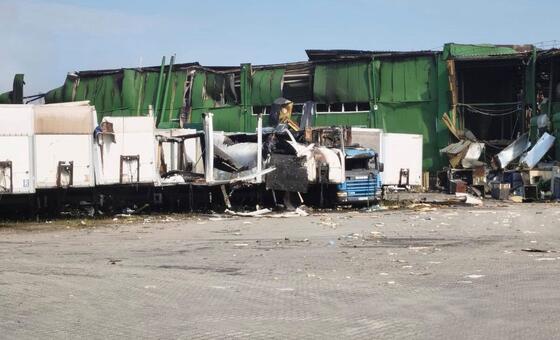
Across the Rasuwa, Nuwakot and Dhading regions of northern Nepal, critical infrastructure such as roads, schools, power grids and water systems have been damaged or destroyed, while many survivors have lost their homes and family members.
Working with Nepali emergency operations, the UN aims to help families buy essential goods, revitalise local economies, restore power, prevent disease outbreaks and help prepare residents for the upcoming winter.
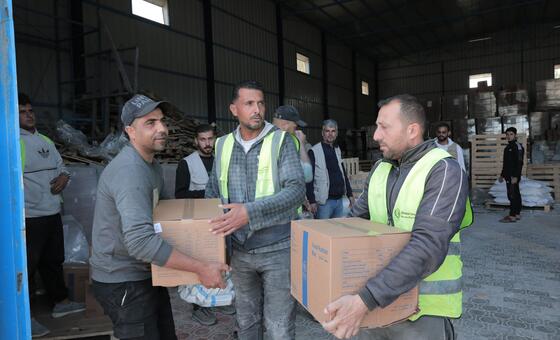
Humanitarian workers will deliver direct cash assistance, cold-weather shelter materials, portable solar power units, water purification systems and food aid, while emergency mobile clinics will provide medical treatment and nutritional support.
“Families have lost everything: their loved ones, their homes, their livelihoods, swept away in minutes,” said Lila Pieters Yahia, the UN’s Resident Coordinator in Nepal.
“Working under the Government’s leadership, this appeal will get cash, shelter, healthcare, clean water and protection to the hardest-to-reach communities before winter closes in.”
In a country where agriculture makes up 24 per cent of gross domestic product, half of which comes from livestock, according to the World Bank, aid teams will even help locals keep surviving animals alive and safe.
UNICEF aid influx
But the UN Children’s Fund (UNICEF) isn’t waiting, and neither are other UN agencies, as they support rescuers still racing to find survivors.
On Friday, a flight supported by UNICEF and the European Union carrying 84 metric tonnes of humanitarian supplies landed in the capital Kathmandu.
The children’s agency will distribute diarrhoea treatment kits, water tanks, hygiene kits, water treatment supplies, winter clothing and learning materials – which it says will support hundreds of thousands of people.
“This shipment will help us deliver urgently needed support and reach children and families with services that protect their health, wellbeing and future,” said Alice Akunga, UNICEF’s representative in Nepal.
Humanitarian partners have already mobilised and transported relief items to some of the hardest-hit areas, focusing largely on disease prevention and essential infrastructure repairs.
In the days since the flood, UNICEF has allocated emergency supplies and helped establish child-friendly spaces with recreational materials for children most affected by the disaster.
“Continued support is essential to help children recover, stay healthy, return to learning, and rebuild their lives in the weeks and months ahead,” Ms. Akunga said. “As the scale of the disaster is enormous, the needs remain significant and every day matters.”







Leave a comment