





A job interview is one of the few occasions when people examine your shoes, your collar, your haircut, and possibly your fingernails before they become interested in your personality.
It may not sound fair, but interviews are rarely conducted in a world of complete fairness. Employers make impressions quickly. Before you explain your qualifications, your clothes have already introduced you.
Unfortunately, clothing is not always a reliable spokesperson.
Sometimes it exaggerates. Sometimes it confuses. Sometimes it quietly tells the interviewer, “This person did not read the invitation.”
The purpose of interview attire is not to make you look fashionable, wealthy, or unforgettable. It is to make you look prepared, appropriate, and capable of understanding the environment you hope to enter.
Here are some of the most common interview attire mistakes—and how to avoid them.
Dressing for the Wrong Industry
One of the biggest mistakes is wearing an outfit that has no connection to the culture of the company.
A three-piece suit may look impressive at a traditional bank, law firm, or luxury hotel. At a relaxed technology startup, however, it may make you look as though you have arrived to acquire the company rather than work for it.
The opposite can be equally damaging. Showing up in sneakers, distressed jeans, and a casual shirt for an interview at a conservative financial institution may suggest that you misunderstood the meaning of “business meeting.”
Research the company before choosing your outfit. Look at its website, social media pages, leadership photographs, and workplace culture. Then dress slightly more polished than the company’s normal standard.
The goal is to look as though you belong there—but on your best day.
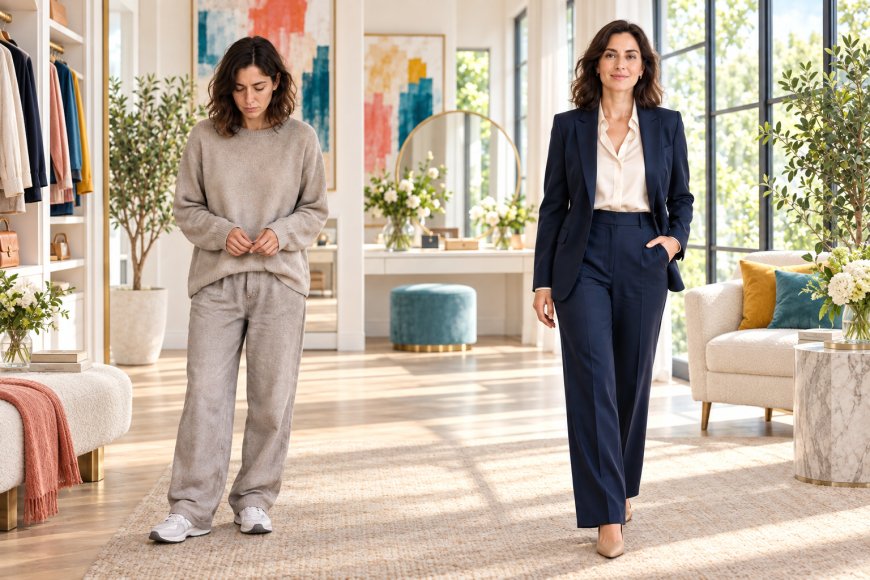
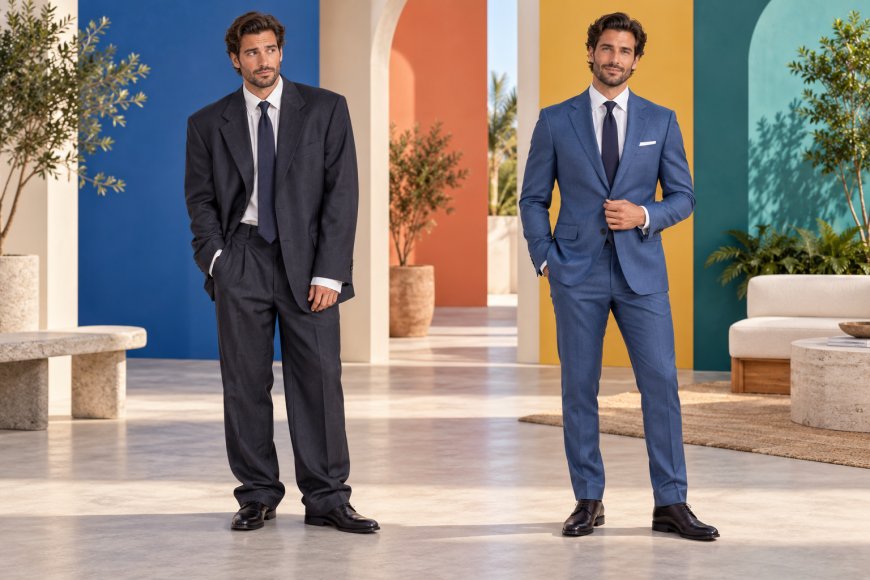
Wearing Clothes That Do Not Fit Properly
An expensive suit that fits badly will usually look worse than an affordable suit that fits well.
The interviewer should be thinking about your experience, not worrying that one of your buttons is preparing to leave the conversation.
Fit communicates awareness. Clothes that sit properly on the body suggest attention to detail and self-respect. Clothes that are too tight or too loose can make even a carefully planned outfit appear careless.
Try on your complete interview outfit several days before the meeting. Sit down, stand up, walk, reach, and check how the clothing behaves.
An outfit should survive the interview chair.
Choosing Loud Colors or Distracting Prints
An interview is not the ideal moment to test whether people are emotionally prepared for neon orange.
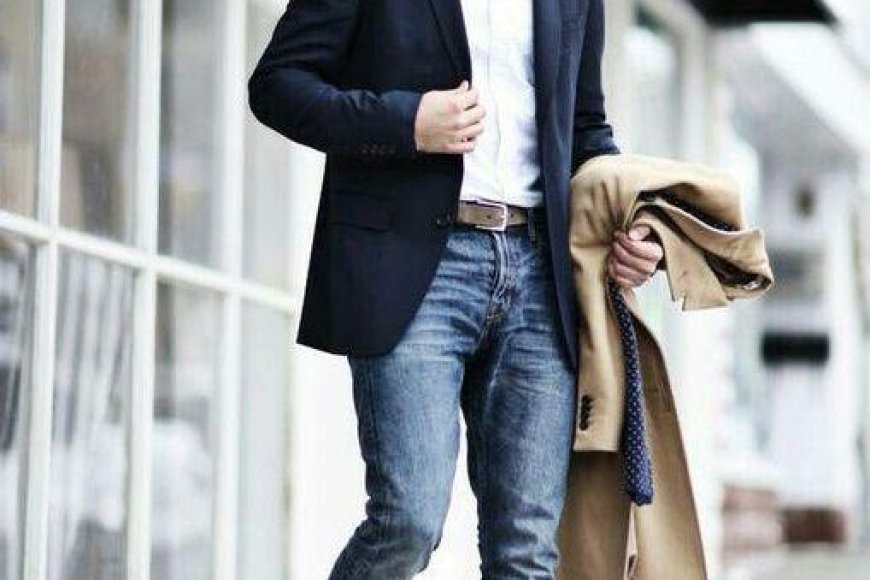
Navy, charcoal, black, white, beige, soft blue, and other controlled colors are usually dependable choices. They allow the interviewer to focus on your face and your words.
You may add personality through a tie, scarf, blouse, watch, eyeglasses, or subtle accessory. The key word is subtle.
You want the interviewer to remember your ideas—not describe you later as “the applicant wearing the curtains.”
Being Too Casual
Many applicants confuse comfort with appropriateness.
Even companies with casual dress codes expect candidates to demonstrate effort. Wearing clothing that is too relaxed can suggest that the interview was not important enough for preparation.
Casual does not have to mean careless. A clean collared shirt, tailored trousers, a simple blouse, polished shoes, or a structured jacket can create a professional appearance without looking excessively formal.
The safest rule is simple: it is usually better to be slightly overdressed than obviously underdressed.
Overdressing So Much That You Look Uncomfortable
Although underdressing is common, overdressing can also create problems.
Clothing should support your confidence, not become a physical examination.
Select something professional that still feels natural to you. Wear the outfit beforehand so that you become familiar with it. Break in new shoes. Practice sitting comfortably in the jacket or skirt.
Confidence becomes difficult when your shoes are negotiating with your feet.
Wearing Wrinkled, Stained, or Worn-Out Clothing
A small wrinkle may not ruin an interview. An outfit that looks as though it spent the night under a chair might.
Inspect your outfit in good lighting. Steam or iron the clothes. Clean the shoes. Remove lint. Check for marks, pet hair, deodorant stains, and forgotten price tags.
Yes, people have attended interviews with price tags still attached.
It proves the clothing is new, but not necessarily that the planning was complete.
Wearing Uncomfortable or Impractical Shoes
Shoes often reveal more than people expect.
Dirty shoes may make an otherwise polished outfit appear unfinished. Extremely high heels, painfully stiff leather shoes, or slippery soles can affect the way you walk and stand.
You should enter the room with confidence, not with the careful expression of someone crossing a frozen lake.
Choose shoes that are clean, professional, and comfortable enough for walking, waiting, and possibly touring the office. Avoid wearing brand-new shoes for the first time on interview day.
Blisters are not a leadership quality.
Using Too Much Perfume or Cologne
Fragrance should never arrive before you do.
Use fragrance sparingly or avoid it entirely. Clean clothing, fresh breath, and good personal hygiene are more important than announcing your presence through the ventilation system.
A professional impression should linger. Your cologne should not.
Showing Too Much Skin
Clothing that is too revealing may distract from the purpose of the meeting, regardless of gender.
Very low necklines, extremely short skirts, unbuttoned shirts, transparent fabrics, and overly tight clothing can appear inappropriate in many professional settings.
This does not mean interview attire must be dull or severe. It simply means the clothing should keep attention on your ability, communication, and suitability for the role.
You are interviewing for a position, not creating suspense.
Carrying Too Many Accessories
Accessories can complete an outfit, but too many can create noise—sometimes literally.
Large bracelets knocking against the table, oversized earrings, multiple rings, flashy belt buckles, or distracting watches can pull attention away from the conversation.
Keep accessories simple and intentional. A good watch, understated jewelry, professional bag, or clean portfolio is usually enough.
An interviewer should not hear you approaching from the elevator.
Ignoring Grooming
Interview attire includes more than clothing.
Grooming communicates discipline and attention. You do not need to look perfect, glamorous, or heavily styled. You simply need to appear clean, organized, and prepared.
Looking polished does not mean looking artificial. It means showing respect for the opportunity.
Carrying the Wrong Bag
A professional outfit can quickly lose credibility when paired with a dirty backpack, overflowing shopping bag, or folder held together by optimism.
Choose a clean, structured bag, portfolio, or briefcase large enough to carry your résumé, identification, notebook, and other necessary documents.
Avoid bringing half your household with you.
An interview is not usually an overnight expedition.
Forgetting the Online Interview Outfit
Virtual interviews have created a new category of clothing mistake: dressing professionally only from the waist up.
Wear a complete outfit. It improves posture, confidence, and mental preparation. Also check how your clothing appears on camera. Tiny patterns may flicker, bright white can become harsh, and colors may look different under poor lighting.
And yes, trousers remain strongly recommended.
Trying Too Hard to Look Expensive
Luxury labels do not automatically make someone look professional.
True elegance is quieter. It comes from fit, cleanliness, proportion, grooming, and confidence.
A simple navy jacket that fits beautifully can create a stronger impression than an expensive designer jacket that appears to be wearing you.
The Best Interview Outfit Sends a Simple Message
The ideal interview attire says:
“I understand the occasion.”
“I respect your time.”
“I prepared carefully.”
“I can represent this organization well.”
It does not need to shout. In fact, the strongest interview clothing usually speaks in a calm voice.
Dress professionally. Dress appropriately. Dress comfortably enough to forget about your clothes once the interview begins.
Because when the interviewer asks, “Tell me about yourself,” the last thing you should be thinking about is whether your trousers are trying to cut off your circulation.
Noubi Says: The best interview outfit is not the one everyone notices. It is the one that makes people notice you.






Leave a comment