





First impressions no longer begin with a handshake, a smile, or a carefully chosen outfit. According to Noubi Says, people often form an opinion about someone long before meeting them in person, based entirely on what they see online. This modern phenomenon is known as a digital first impression.
It may begin with a profile photograph, a social media page, a professional biography, a LinkedIn account, a video interview, or even the style of an email. Together, these digital elements create an early picture of a person’s character, credibility, professionalism, and personality.
“Today, your online presence often enters the room before you do,” says Noubikko. “By the time people meet you personally, they may already believe they know something about you.”
The Profile Photo as a Digital Handshake
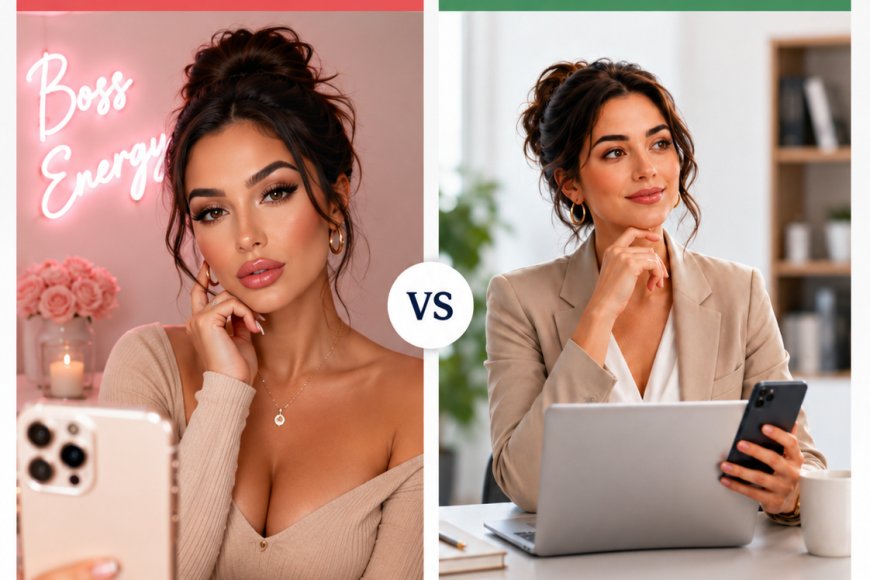
A profile photograph is often the first online detail people notice. A clear, current, and well-lit image can communicate confidence and professionalism, while an outdated or poorly presented photo may create uncertainty.
The image does not need to resemble a fashion campaign, but it should look intentional and appropriate for the person’s profession or public role.
Consistency is also important. Using completely different photographs across platforms can make a person’s digital identity appear disconnected or confusing.
Social Media Reveals More Than Personal Interests
Social media pages can show what a person values, how they communicate, what topics they follow, and how they respond to others.
Photos, captions, opinions, shared articles, and public conversations can all influence how someone is perceived.
According to Noubi Says, an effective social media presence does not need to be overly formal or carefully staged. Personality, humor, travel, family experiences, and everyday observations can make an online presence more human.
However, people should remember that public posts can also affect professional and personal credibility.
“The internet has an excellent memory,” Noubikko notes. “It may forget where you placed your car keys, but it rarely forgets an unfortunate comment.”
Websites and Biographies Present the Official Story
A personal website or professional biography gives individuals the opportunity to explain their background, experience, achievements, and goals in their own words.
However, Noubi Says advises against filling biographies with excessive praise or exaggerated descriptions.
Specific accomplishments are generally more persuasive than repeatedly describing oneself as visionary, legendary, or world-renowned.
“A credible biography should allow the facts to speak,” says Noubikko. “Let the achievements wear the crown.”
LinkedIn as the Modern Business Card
For professionals, LinkedIn has become one of the most influential sources of digital first impressions.
A complete profile can show a person’s career history, expertise, professional connections, recommendations, and accomplishments. An incomplete or outdated profile may suggest that the individual is inactive or disconnected from current professional developments.
A strong LinkedIn page should include a recent photograph, a clear professional headline, an accurate employment history, and a concise explanation of the value the person offers.
Videos and Interviews Reveal Presence
Videos provide information that photographs and biographies cannot.
Through videos and interviews, people observe confidence, tone of voice, body language, warmth, humor, and communication style.
A professional-looking biography may create interest, but a video often determines whether viewers find the individual trustworthy, knowledgeable, and engaging.
Noubi Says encourages speakers to communicate naturally rather than attempting to sound theatrical or overly rehearsed.
“The most convincing presence is often calm, clear, and sincere,” Noubikko says. “People remember confidence, but they also remember warmth.”
Email Style Can Shape Professional Opinion
Emails also contribute to digital first impressions.
Recipients often judge professionalism through the greeting, subject line, grammar, tone, structure, and clarity of a message.
A well-written email should explain why the sender is writing, provide the necessary information, and clearly state what response or action is needed.
“Digital elegance is often very simple,” says Noubikko. “It means respecting the reader’s time and making the message easy to understand.”
Through profile photographs, social media, websites, LinkedIn, videos, and emails, people continuously introduce themselves online.
The question is whether that introduction accurately represents who they are.
— Noubi Says











Leave a comment