






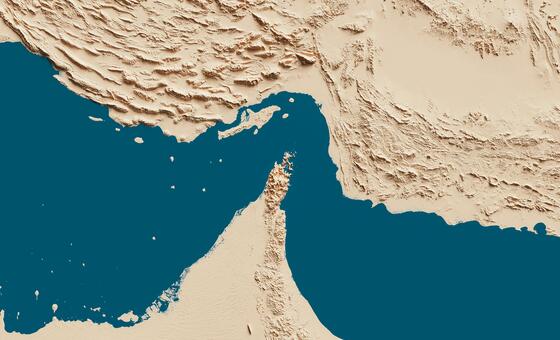
Uncertainty continues over safety in the Strait of Hormuz
Amid claims and counter-claims of strikes and confrontations in the crucial Strait of Hormuz between Iran and the United States, UN maritime officials continue to urge vessels to exercise “maximum caution”.
“We are aware of the reports but do not have further details. We continue to urge ships to practise maximum caution in the area,” the UN International Maritime Organization (IMO) said, as it works to verify a series of recent attacks and security warnings issued to commercial vessels.
According to the internationally-recognised maritime safety portal UKMTO, a tanker was reportedly hit by unknown projectiles north of Fujairah, United Arab Emirates, on 4 May, while a bulk carrier was attacked by multiple small craft near Iran a day earlier.
Other vessels in the area have been instructed via radio to move from their anchorages, reflecting the volatile security environment.
Since late February, at least 41 incidents affecting vessels operating in and around the Arabian Gulf, the Strait of Hormuz and the Gulf of Oman have been reported to UKMTO.
Iran claimed on Monday that it had hit a US naval vessel, preventing it from entering the strait, but the US denied there had been any strike. Late on Sunday, President Donald Trump posted that the US would help ships leave the strait who have been stranded there for months.
UN response
IMO, the UN maritime agency, is working with the shipping industry on contingency planning, including a possible safe evacuation framework for vessels and crews caught in the conflict zone.
Around 800 ships engaged in international trade – including oil tankers, bulk carriers and container vessels – could potentially be involved in such an evacuation, carrying vital energy supplies and commodities.
With an average of 25 crew members per vessel, this translates to roughly 20,000 seafarers directly exposed to the risks.
Escorts, no solution
“All the people – seafarers – on board ships of any kind in the Persian Gulf area are vulnerable to any re-escalation of the conflict,” IMO warned, noting risks from missiles, falling debris and potential shortages of food and water on board.
While some crew changes and repatriations have taken place – with around 450 seafarers assisted – tens of thousands remain at sea, as the broader fleet in the region numbers closer to 3,000 vessels of all types.
The maritime agency also said that naval escorts alone cannot provide a lasting solution, calling for de-escalation and a long-term agreement to ensure safe navigation.
“Naval escorts are not a sustainable solution, true de-escalation and a long-term agreement that ensures the safety of seafarers is the only way forward,” it said.






Leave a comment