




All Gen Z wants for Christmas is something old school.
The generation stereotyped as the most glued to their phones wants to get off them this holiday season. According to PwC’s 2026 Holiday Outlook report, nearly four in five Gen Zers (78%) are interested in screen-free gifts like puzzles, art supplies and gift cards, as compared to 64% for all consumers.
This analog craving also extends beyond what’s gift-wrapped under the tree. Over eight in 10 Gen Zers (81%) of the 1,006 surveyed said they’re prioritizing in-person activities during the holidays and over three in five (63%) said a shared meal matters more than a present, according to the same report.
“The more digital everyday life becomes, the more value they seem to place on things technology can’t fully replicate: something tactile, personal, social, and enduring,” Ali Furman, PwC’s U.S. consumer markets industry leader, told Fortune.
The idea of a decked-out yet holly, old-fashioned Christmas has already been creeping into younger consumers’ lives. Last year, Gen Z shoppers revived a retro “Ralph Lauren Christmas” aesthetic by draping their spaces with tartan plaid, velvet, candlesticks, and nutcrackers, often hunting for cheaper dupes instead of buying the original items. Part of its appeal was a yearning for the accessible economic prosperity of the 1990s that made a “good Christmas” (one filled with gifts under the tree and of nostalgic times spent talking and playing cards with family) possible.
“Gen Zers have a passion for traveling back in time to a world that existed before they were born,” Mark Beal, a Rutgers professor who has written books about the generation, told Fortune.
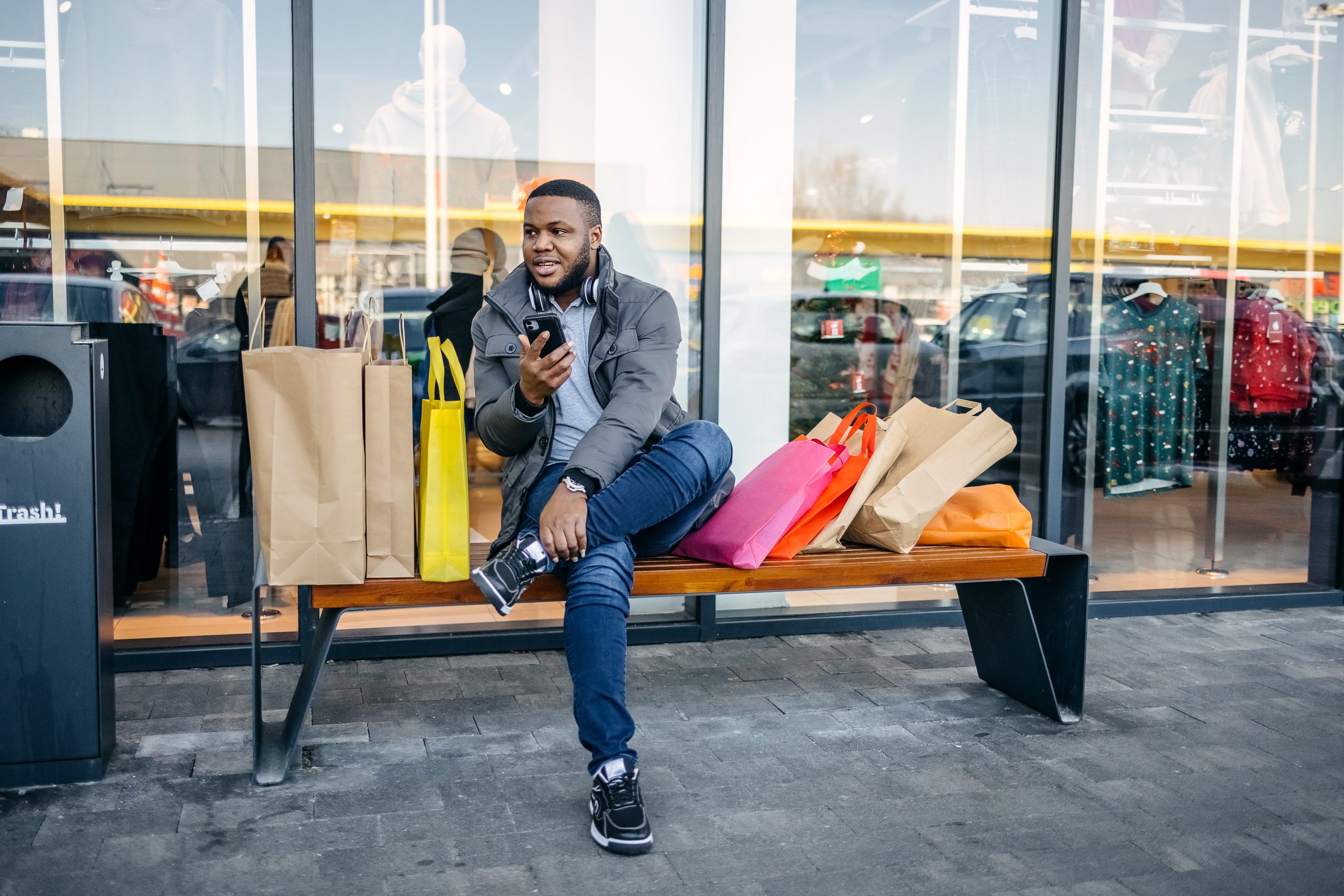
This desire for a physical manifestation of the holidays shows up in PwC’s findings as well. Sixty-one percent of Gen Z said seeing decor and feeling a holiday atmosphere when they’re browsing in-person makes the season “feel real,” which makes them prefer the ritual of the shopping experience over a quick trip.
Gen Z’s offline push and retailers’ response
The appeal of shopping in jingle-bell-decorated aisles and eating holiday meals together is part of Gen Z consumers’ wider push to spend less time online.
They’re already driving the revival of analog hobbies like knitting, gardening, birding and painting as they try to spend less time on their screens to connect with people and nature. They’re rediscovering vinyl records, film cameras and the stick shift—things that can be touched and made—and require active participation instead of scrolling.
“They have grown up in a world where almost everything is digital, instant, and endlessly editable,” Arianna Lebed, creative director at advertising agency MAS, told Fortune. “That makes physical objects, shared meals, and in-person experiences feel more meaningful because they are finite, tactile, friction-full, and actually lived.”
This preference is reshaping how Gen Z prefers to shop, and retailers are watching. As younger customers turn to in-person shopping, Target directed $5 billion this year toward remodeling stores and building new ones. Malls are also reviving thanks in part to Gen Z shoppers. Their value has risen 13% from last year, topping other types of commercial real estate. The nation’s biggest mall owner, Simon Property Group, launched an ‘80s and ‘90s inspired marketing campaign called “Meet me @ The Mall” in 2024, which ran on YouTube, TikTok and Netflix and showed teenagers roller skating, dancing and playing arcade games.
But despite their spending being projected to globally spend $12 trillion by 2030, Gen Z consumers are tightening the belt this holiday season. PwC expects Gen Z gift spending to fall 9% this year, to $533 from $586, while its travel spending is projected to drop 29%.
This story was originally featured on Fortune.com










Leave a comment