






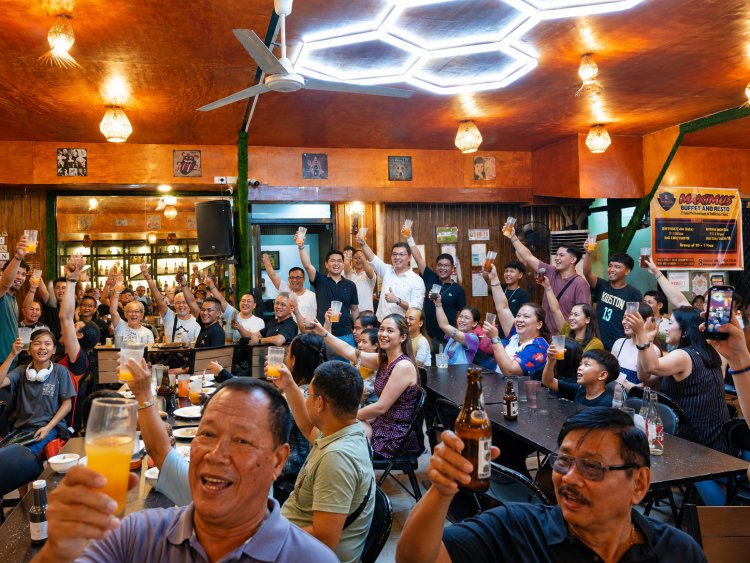
Japanese, Indonesian and Mongolian delegates trade the tatami for an evening of Filipino hospitality, surprise performances and an unforgettable celebration— After four days of discipline, competition and world-class Karate-Do, the atmosphere in Davao shifted from fighting spirit to festive spirit as JKA Philippines hosted a lively and memorable Sayonara Party.
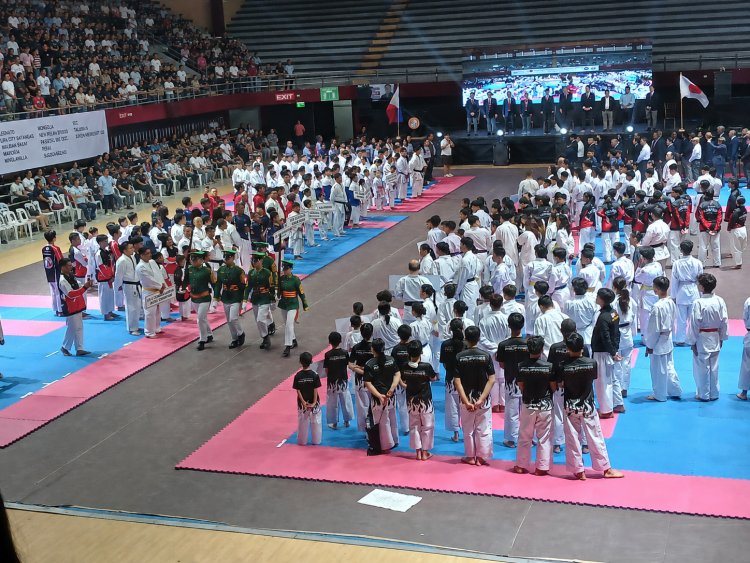
August 30, 2026 | Davao City, Philippines – The evening served as the social finale of the 3rd JKA Philippines International Gasshuku & Karate-Do Championship 2026, bringing together visiting Japanese masters, delegates from Indonesia and Mongolia, senior black belts, organizers, officials, athletes and friends.
Gone were the formalities of competition.

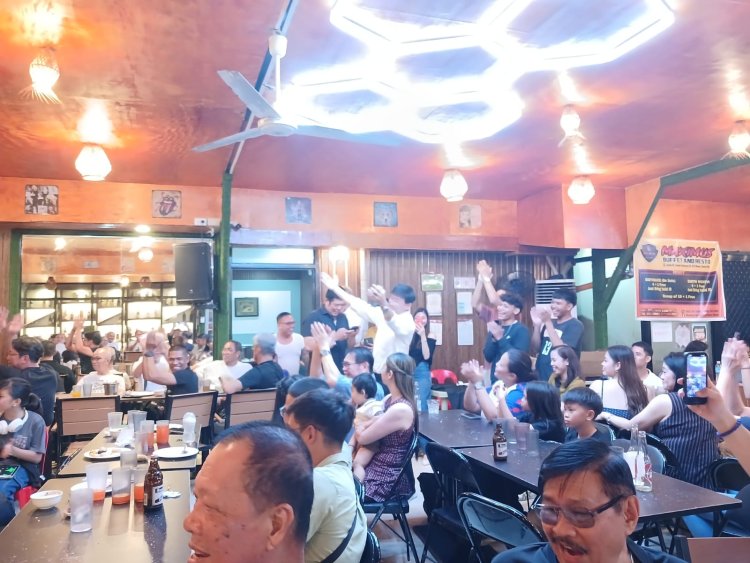

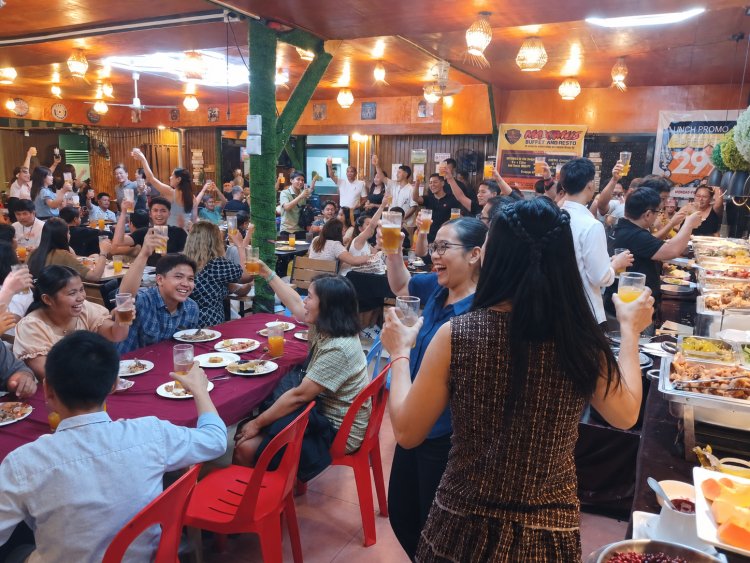
For one evening, the black belts relaxed, the masters took the microphone, and the international karate community celebrated as one.
CEBU’S FAMOUS LECHON FLIES IN FOR THE OCCASION
No major Filipino celebration would be complete without something special on the table.
For the Sayonara Party, organizers went a step further.
A whole roasted pig, or lechon, was specially flown in from Cebu, long celebrated across the Philippines for its distinctive and highly prized version of the traditional Filipino feast centerpiece.
Lechon is traditionally served during fiestas, weddings, milestone celebrations and occasions reserved for important guests.
Its presence at the party carried a clear message to the visiting delegations:
This was not an ordinary dinner.
It was a Filipino celebration prepared in their honor.
The Cebu lechon quickly became one of the evening’s most talked-about attractions, giving the Japanese, Indonesian and Mongolian guests another taste of Filipino culture beyond the competition venue.
GENERAL YU TRADES COMMAND FOR A MICROPHONE
The evening soon took an unexpected turn when Ysmael Yu, Sensei, Consultant to the Chairman of JKA Philippines, stepped forward for a special musical performance.
Known for a distinguished background as a Philippine Military Academy graduate, retired Police Brigadier General and Karate Sensei, Yu revealed a warmer and more playful side with his rendition of a favorite Filipino song.
The performance drew cheers from the crowd and immediately set the mood for what would become a night of spontaneous entertainment.
For a man more often associated with discipline, command and leadership, the microphone offered an entirely different stage.
And the audience loved it.

A JAPANESE SONG BRINGS CULTURES TOGETHER
Shalie Secuya followed with a special rendition of a Japanese song dedicated to the visiting delegation.
The gesture added a graceful cultural touch to the evening and drew warm applause from the Japanese guests.
The performance reflected the spirit of the entire gathering—Filipino hosts embracing Japanese culture while welcoming international friends into a celebration distinctly Filipino in warmth and hospitality.
It was a simple moment, but one that captured the closeness developed during the four-day event.

KOJI CHUBACHI’S SURPRISE PERFORMANCE STEALS THE NIGHT
Then came one of the evening’s biggest surprises.
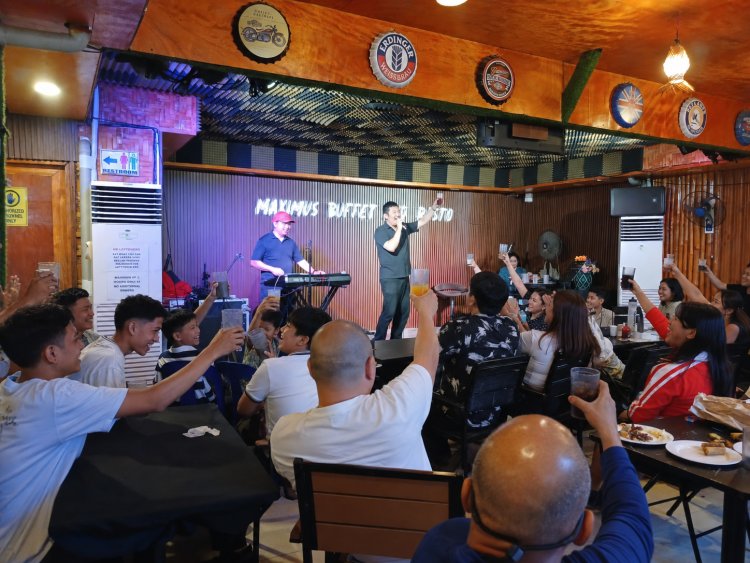
Koji Chubachi, Sensei, one of the distinguished Japanese instructors who had commanded attention on the training floor throughout the Gasshuku, unexpectedly took the microphone.
His performance came as a gesture of thanks to the Filipino hosts.
The reaction was immediate.
The room erupted in cheers and applause.
For athletes accustomed to seeing Chubachi demonstrating precise karate technique, his transformation into an entertainer became one of the night’s most charming moments.
By the time the song ended, the applause seemed almost endless.
It was spontaneous, personal and unforgettable.
DAICHI INOMOTO TURNS THE PARTY INTO A MASS SING-ALONG
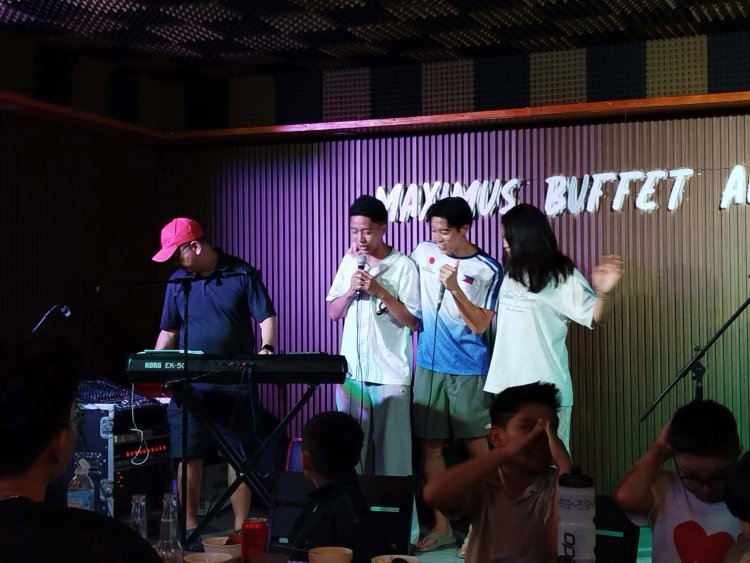
Another highlight came from Daichi Inomoto, a Karate black belt and fashion model, who performed a Filipino song in celebration of the successful international gathering.
The performance began as a solo.
It did not stay that way for long.
As the familiar melody filled the room, guests began joining in.
Karate practitioners, officials, international delegates and members of the audience sang along until the performance became an almost full-room chorus.
The moment turned Inomoto’s number into one of the evening’s biggest crowd experiences.
It also offered a striking contrast to the days of serious competition that had preceded it.
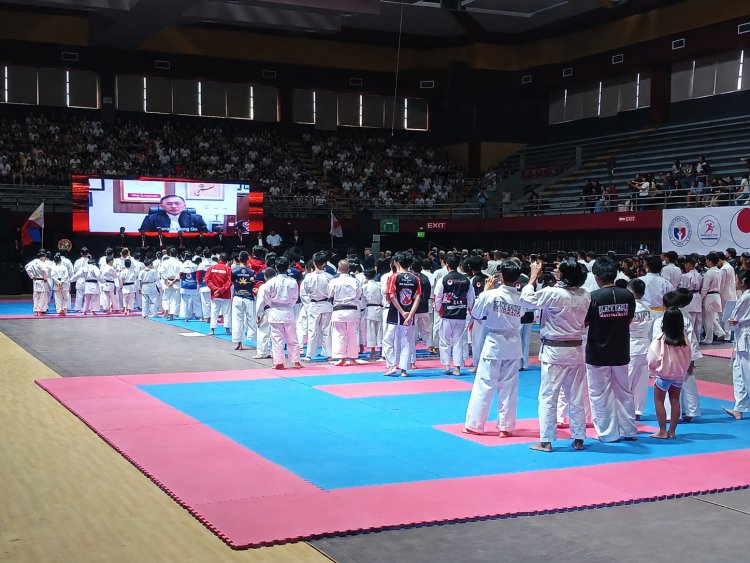
Only hours before, black belts stood rigidly focused on the tatami.
Now they were singing together.
FROM BLACK BELTS TO DINNER COMPANIONS
The Sayonara Party showed a side of international Karate-Do rarely seen during formal competition.
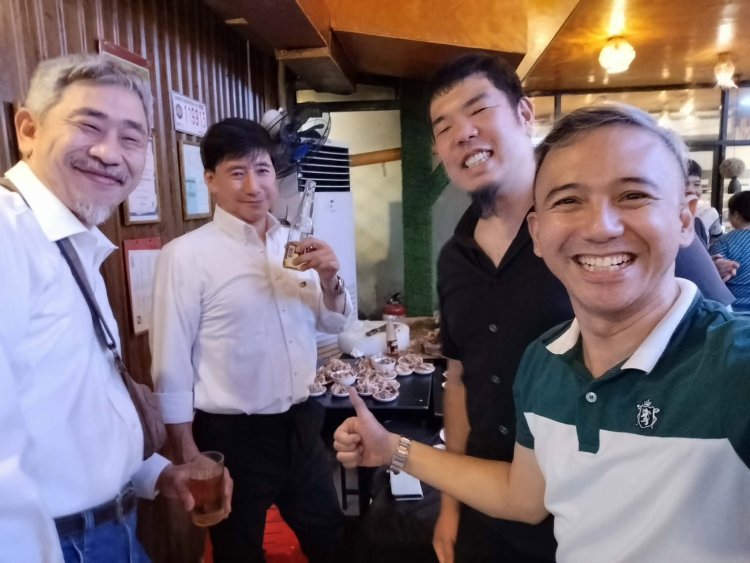
Japanese masters who had spent days correcting stances and techniques were now exchanging jokes and photographs with students.
Indonesian and Mongolian delegates shared tables with Filipino karateka.
Officials, organizers and competitors who had been working under the pressure of an international championship finally had time to relax.
The formal hierarchy of the dojo remained respected, but the evening was defined by warmth and familiarity.
The room became a mix of laughter, food, photographs, applause and music.
For many of the guests, it was the perfect ending to four demanding days.
A FILIPINO FAREWELL WITH INTERNATIONAL FLAVOR
The success of the Sayonara Party reflected one of the Philippines’ strongest cultural traditions: making visitors feel at home.
The celebration combined Japanese Karate-Do, Filipino hospitality, Indonesian and Mongolian friendship, Cebu cuisine and music from different cultures.
It was elegant without being formal.
Festive without losing the respect that defined the event.
And international without losing its unmistakably Filipino character.
The party became, in many ways, the emotional closing ceremony of the tournament.
Medals recognized achievement.
The Sayonara Party celebrated relationships.
ONE LAST SONG, ONE LAST APPLAUSE
As the evening moved toward its conclusion, the international delegates gathered for photographs, conversations and final moments together before beginning their journeys home.
The Japanese masters had shared their knowledge.
The athletes had competed.
Champions had been crowned.
Now the organizers offered one final gift: an evening meant simply to be enjoyed.
The Cebu lechon had been served.
The songs had been sung.
The crowd had joined in.
And the applause had filled the room.
The 3rd JKA Philippines International Gasshuku & Karate-Do Championship 2026 may have officially ended on the tatami, but its final memory was created around the dinner tables and microphones of the Sayonara Party.
For one unforgettable night, there were no opponents.
Only friends.
Sayonara, Davao style—warm, generous, musical and impossible to forget according to Emeliano T. Murillo, CEO of JKA Philippines.









Leave a comment