





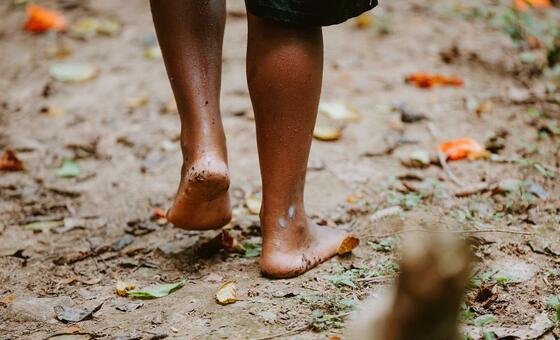
New WHO plan urges stronger action against fungal disease
The new Blueprint for strengthening responses to fungal disease and antifungal resistance, issued on Tuesday, sets out practical steps to improve prevention, diagnosis, treatment and surveillance.
Fungal diseases affect more than 300 million people each year and are associated with high mortality, long-term illness and major losses in health and productivity worldwide.
Growing global threat
They range from common conditions such as ringworm and nail infections to severe invasive diseases that can be deadly, especially for people with weakened immune systems, those receiving intensive care, people living with HIV, transplant recipients and cancer patients.
Meanwhile, antifungal resistance is a growing threat, driven in part by the widespread use of antifungal medications and their analogues across human, animal and plant health, as well as environmental exposure to antifungal chemicals.
Despite this toll, WHO said fungal diseases are often missing from national health treatment policies, global burden-of-disease estimates and most strategies on antimicrobial resistance (AMR), universal health coverage and One Health – the UN agency’s initiative for action across human, animal, plant and environmental health.
‘A concrete path forward’
The blueprint comes roughly a month after WHO’s decision-making body, the World Health Assembly, adopted an updated Global Action Plan on AMR which occurs when bacteria, viruses, fungi and parasites evolve and become resistant to the drugs designed to kill them, making infections harder to treat.
It remains one of the top global health and development threats.
“The Updated Global Action Plan on AMR approved by the 79th World Health Assembly recognised that antifungal resistance is an integral part of the AMR challenge – and one we can no longer afford to overlook,” said Dr Jean Pierre Nyemazi, interim Director of WHO’s Department of Antimicrobial Resistance.
He added that the Blueprint “gives countries a concrete path forward.”
Addressing critical gaps
The Blueprint builds on WHO’s first Fungal Priority Pathogens List, published in 2022, which identified 19 fungal pathogens or pathogen groups requiring urgent research, development and public health action.
It was developed through a multi-stage process and consultations with more than 150 experts from all WHO regions, including specialists in clinical mycology, diagnostics, stewardship, surveillance, regulatory policy, public health and patient advocacy.
The aim is to help countries address critical gaps in knowledge, diagnosis, treatment, surveillance, research, and workforce capacities, particularly in low-resource settings.
Practical framework for response
The WHO blueprint prioritizes interventions around four interlinked domains, providing a framework for implementation:
Domain 1 focuses on public health and health systems, including strengthening awareness and readiness, antifungal stewardship programmes, workforce training, and infection prevention and control.
Domain 2 concerns expanding equitable access to quality-assured antifungal medicines and diagnostics, while supporting research, innovation, and market.
Domain 3 prioritises strengthening laboratory systems and surveillance to support clinical management, inform public health decision-making and enhance outbreak preparedness
Domain 4 addresses social and environmental drivers, including agricultural, environmental and One Health factors that can contribute to fungal disease epidemiology and antifungal resistance.
“Fungal disease and antifungal resistance remain an under addressed priority across national health plans, AMR strategies, and surveillance systems.
“This blueprint provides countries with a practical framework to strengthen their response,” said Hatim Sati, Technical Officer in WHO’s Department of Antimicrobial Resistance, who led the development of the guidance.









Leave a comment