




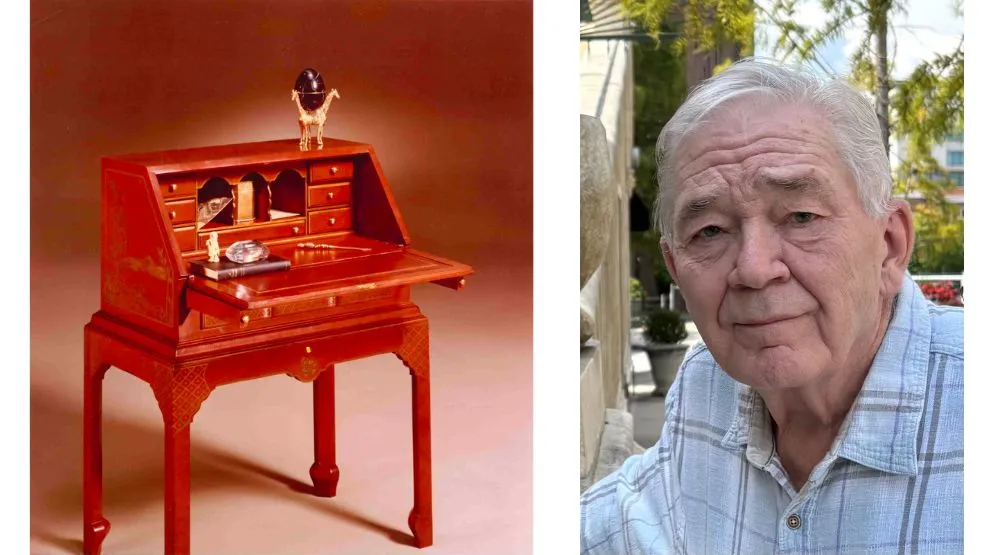
By David Blair

Even though he grew up in and around the furniture industry, Steve Hodges didn’t start out to be a furniture designer. “My father was the head of manufacturing for Link-Taylor and Young-Hinkle, two companies that later became part of Lexington Home Brands. My two brothers also worked in the industry. I did not have any aspirations to join them,” Steve told me when we got together to discuss his 50-plus year career in the industry.
Intent on becoming a painter and printmaker, young Steve headed off to Virginia Commonwealth University to earn a Bachelor of Fine Arts degree. But before he even had the sheepskin in his hand, he ran into the uncomfortable truth that has caused many aspiring young artists to take their careers in a different direction.
“Late in my junior year it dawned on me that, as good as I thought I may have been in my artistic endeavors, I was never going to make a living from them. I called my father and told him I wanted to drop out and go to design school but, to his credit, he told me to get my degree in art and if I still wanted to go to design school, he’d put me through. That took a huge load off of me.
“During high school and college, I worked closely with the designers at the companies my father was associated with, so I had some exposure to the design profession. Still, I have to admit that for some time, I was quite snobbish about my art background and looked down on the furniture design field.”
Conversations over dinner between Steve’s father and Henry Link, the founder of Dixie Furniture and 1998 inductee into the American Home Furnishings Hall of Fame, changed Steve’s mind. “Mr. Link gave me a fresh sense of the industry. He was a businessman, and he taught me the value of business. I knew I’d never make a living as an artist, but in business, I could use my skills and my knowledge of art history to create designs that could not only generate a decent living for me, but employ dozens of people who turned my designs into finished products, sold and shipped them to retailers and, ultimately, to consumers. The furniture business is about bringing a functional form of art into people’s homes.”
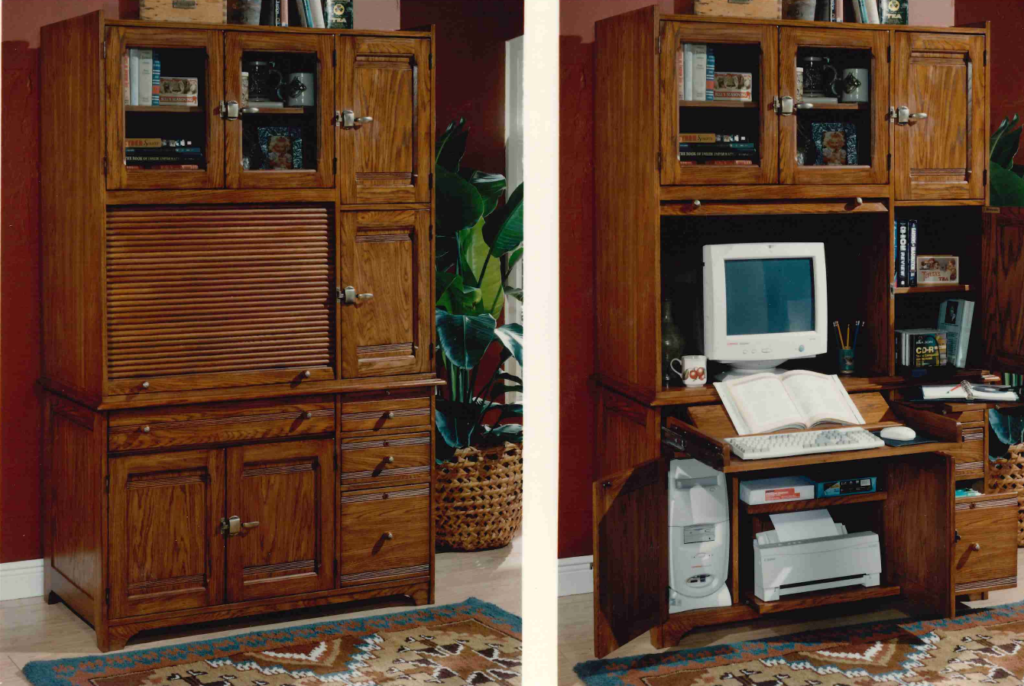
As his career developed, Steve found himself drawing more on his fine art and liberal arts background. “Most of my designs were traditional, and my knowledge of art history helped me find fresh ideas in the past. Delving into design history, you can ask, ‘How does today’s technology allow me to improve the execution of that idea?’ Or you can combine ideas from the same time period that were from separate countries or cultures. For example, looking at 19th Century designs, I was able to combine some elements of Louis Phillipe with Victoriana. Of course, whenever you’re looking for a new idea or a new perspective, there are no easy answers. You just dig and dig and dig — and you don’t necessarily limit yourself to furniture. You can take inspiration from books, movies, music— at Kendall we even had to take music appreciation. Furniture design is about looking at the culture through furniture glasses and translating the culture into furniture.”
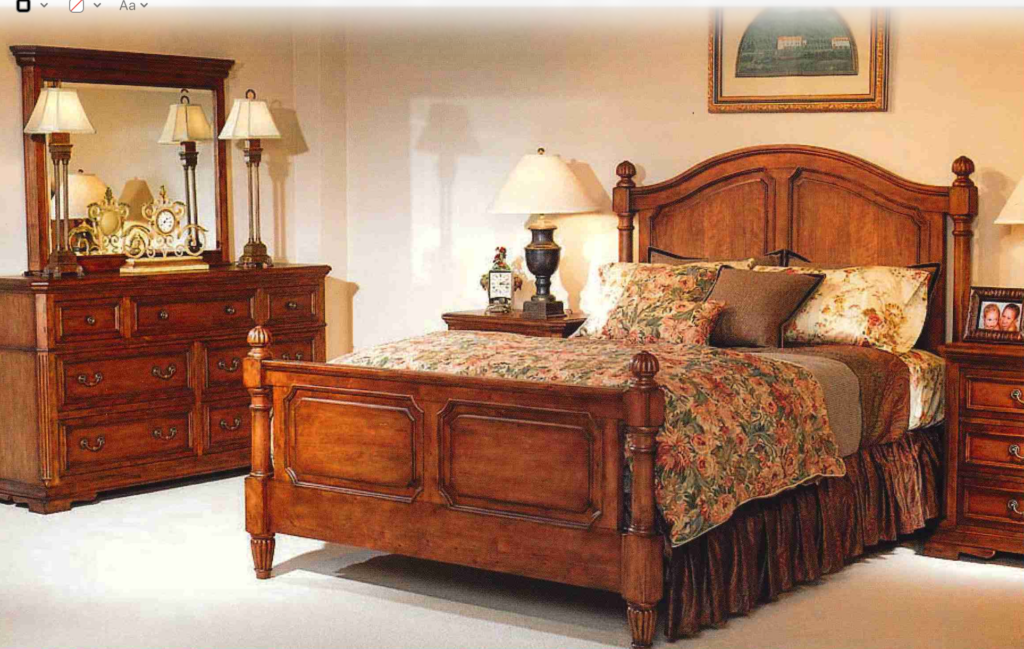
Once he found a fresh idea, Steve relied on his art and liberal arts background to get it to market. “If you can’t sketch a design on a napkin in a bar,” he told me, “then you probably don’t possess the requisite drawing skills to convey your ideas effectively. You also have to be able to convey your ideas via written and spoken words. You have to think the design all the way through the retail floor and into the consumer’s home, and you have to be able to explain how and why it works for this manufacturer’s retailers and this manufacturer’s consumers.”
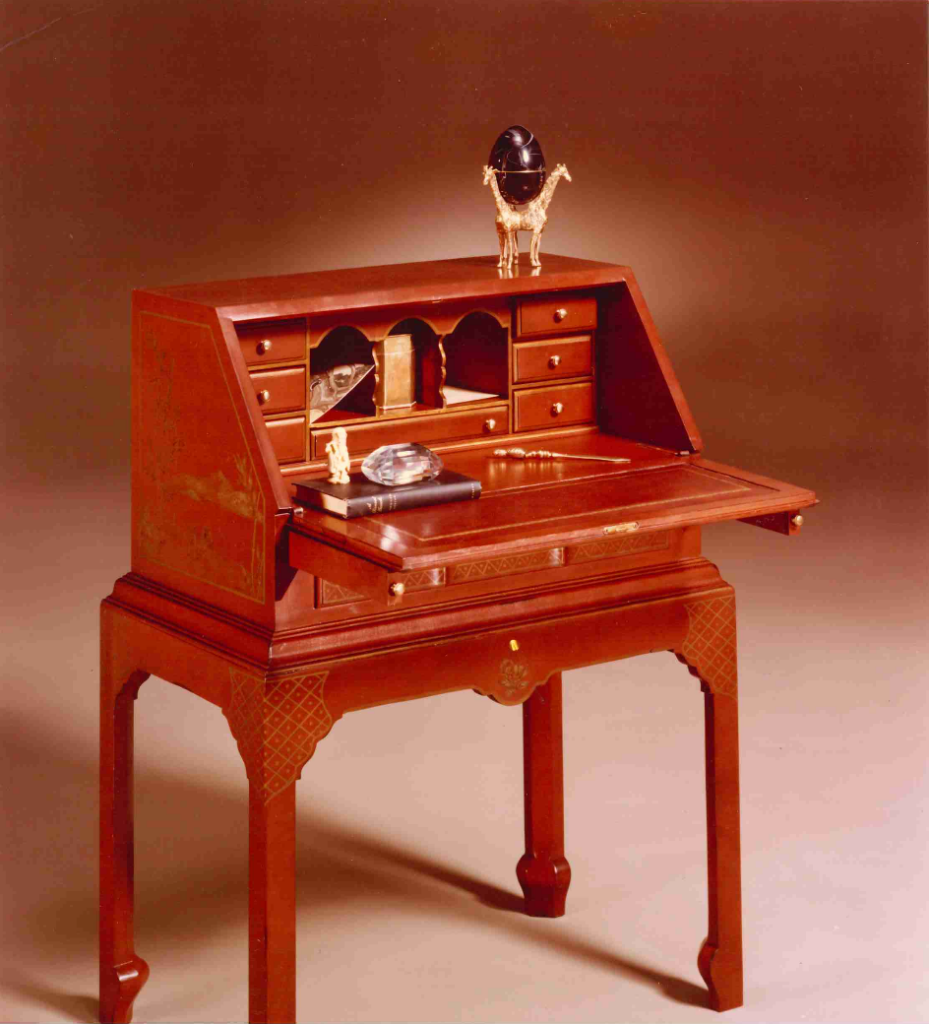
Considering all the ways the industry has changed since he first embarked on his design journey, Steve noted that it’s more fragmented now. “It used to be more tightly knit, more familial. Everybody knew each other — we even socialized with our competitors. Of course, technology has driven a great deal of change, the internet and CAD systems have cut costs, but when we over-emphasize technological prowess, we lose some of that well-rounded, liberal arts background that generates new ideas. A CAD system can help you get a drawing out more quickly, but it can’t come up with a fresh design. Likewise, AI can imitate but it can’t create.
“If you want to see where the fresh ideas are coming from today, look at Bernhardt, Caracole, Century, Sherrill and Stickley — and pay attention to the Pinnacle Awards. That’s the one awards show where leaders in the industry select the very best designs of the year — and the designs they choose to honor are both beautiful and innovative.”
Finally, I asked Steve if he had any advice for young designers just starting out in home furnishings. “Be well-rounded,” he said. “Know what’s going on in the culture. Learn to articulate your ideas not just through drawings and renderings, but in words, so that you can present them more effectively. And ask for more money. The one thing they don’t teach you in design school is the business side of the profession. This is a business — a business turns your creativity into a good living by turning your ideas into a beautiful part of people’s lives, and a beautiful business to be part of.”
David Blair is the executive director of the International Society of Furniture Designers. His most recent piece for Home Accents Today was ‘How can we bring more creative young people into home furnishings?‘









Leave a comment